Source 3 4t excavator concrete crusher for demolition, recycling, and construction
Compare 30 listings of 3 4t excavator concrete crusher units suitable for secondary demolition and concrete recycling. Buyers can evaluate specifications like crushing force, weight, and compatibility with 5-35 ton excavators from suppliers in China.
Key considerations
Products List


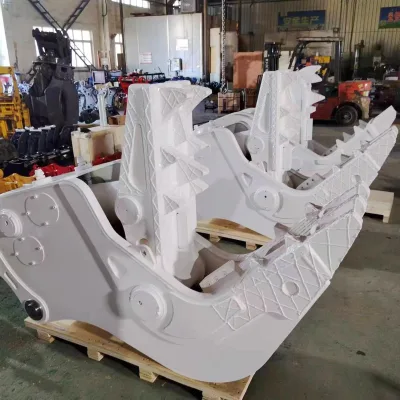


Comprehensive Sourcing Guide
Strategic Sourcing Guide for 3-4 Ton Excavator Concrete Crushers
Understanding the Technical Landscape of Compact Demolition Attachments
When sourcing a concrete crusher designed for a 3 to 4-ton excavator, buyers must first recognize that the equipment market for this specific weight class often involves specialized hydraulic attachments rather than standard, off-the-shelf components. The core keyword "3 4t excavator concrete crusher" points to a niche segment where the hydraulic power requirements and structural integrity must align precisely with the host machine's capacity. While many suppliers list models for larger excavators ranging from 5 to 35 tons, the 3-4 ton category requires careful verification of the crushing force and hydraulic flow compatibility.
The technical specifications for these units vary significantly based on the manufacturer's design philosophy. Some observed data indicates crushing forces reaching up to 588kN for models intended for 5-8 ton excavators, suggesting that a unit for a 3-4 ton machine would likely operate with a lower force threshold to prevent overloading the host excavator's hydraulic system. The jaw opening size is another critical dimension; for smaller machines, openings may be standardized around 500mm or similar compact dimensions to ensure efficient feeding of demolition debris. Buyers should verify the specific jaw opening and crushing force ratings against the excavator's rated pressure, which is often observed in the range of 320 bar for heavy-duty hydraulic attachments.
Material composition is a fundamental aspect of durability. High-quality crushers in this segment typically utilize Q355mn steel, a high-strength low-alloy steel known for its toughness and resistance to impact. This material choice is essential for withstanding the repetitive shock loads generated during concrete demolition. The weight of the attachment itself is also a crucial factor; for a 3-4 ton excavator, the crusher must be lightweight enough to maintain the machine's stability and lifting capacity while still being robust enough to crush concrete. Observed weights for similar attachments in the 5-8 ton range are around 450kg, implying that a unit for a 3-4 ton excavator would likely be lighter, though exact figures must be confirmed with the supplier.
Compliance and Certification Verification Protocols
In the global B2B market, compliance and certification are not merely administrative hurdles but essential indicators of product safety and manufacturing quality. For hydraulic excavator crushers, the presence of CE and ISO9001 certifications is a standard expectation. These certifications indicate that the product meets European safety standards and that the manufacturer adheres to a recognized quality management system. Buyers should explicitly request proof of these certifications, as the absence of such documentation can signal potential risks regarding structural integrity and operational safety.
The certification landscape also extends to the specific standards applied to the product's design and testing. While some listings mention standards like "500kg" or "300-4800kg" in relation to product standards, these often refer to load capacities or testing parameters rather than formal international standards. Buyers must distinguish between marketing claims and actual compliance documents. For instance, a product claiming to meet ISO9001 should be accompanied by a valid certificate from an accredited body. Similarly, CE marking requires a Declaration of Conformity that details the specific directives the product satisfies.
It is important to note that certification status can vary by region and manufacturer origin. Products originating from regions like Shandong, China, or Xuzhou, which are known industrial hubs for construction machinery, often carry these certifications. However, buyers should not assume that all products from these regions automatically comply with international standards without verification. The presence of a "Certificate: CE, ISO" on a product listing is a strong positive signal, but the buyer must ensure the certificate is current and covers the specific model being purchased. Additionally, some suppliers may offer video inspection capabilities, which can serve as a supplementary verification method to visually confirm the build quality and labeling of the product before finalizing the transaction.
Cost Drivers and Pricing Structure Analysis
The pricing of a 3-4 ton excavator concrete crusher is influenced by a complex interplay of factors, including material costs, manufacturing complexity, and supply chain logistics. The observed price range for such equipment in the broader market can span from $500 to $100,000, reflecting the vast diversity in product quality, capacity, and brand positioning. For a compact crusher designed for a 3-4 ton excavator, the price is likely to fall on the lower to mid-range of this spectrum, but buyers should be wary of prices that seem abnormally low, as they may indicate the use of inferior materials or a lack of necessary safety features.
Material costs are a primary driver of the final price. The use of high-grade steel like Q355mn, as noted in some product specifications, adds to the manufacturing cost but ensures longevity and performance. The hydraulic components, such as the motor and valve systems, also significantly impact the price. For example, the use of branded motors like Eaton can increase the cost but offers reliability and ease of maintenance. Buyers should evaluate whether the price includes these premium components or if they are optional upgrades.
Packaging and logistics also play a role in the overall cost. Products are typically shipped in wooden boxes, pallets with wrapping, or wooden cases, depending on the manufacturer's standard. The choice of packaging affects the shipping weight and volume, which in turn influences freight costs. Additionally, the lead time for production can impact the price; a standard lead time of 7 days suggests a ready-to-ship inventory, which might command a premium compared to custom-built units with longer production cycles. Buyers should also consider the Minimum Order Quantity (MOQ), which is often set at 1 set for these attachments, allowing for flexible procurement without the need for bulk purchasing.
Typical Applications and Operational Scenarios
The primary application of a 3-4 ton excavator concrete crusher is secondary demolition, a process that involves breaking down concrete structures into smaller, manageable pieces for recycling or disposal. This application is common in urban environments where space is limited, and large-scale demolition equipment cannot operate effectively. The compact size of the 3-4 ton excavator makes it ideal for working in tight spaces, such as residential areas, narrow alleys, or inside buildings where access is restricted.
In addition to secondary demolition, these crushers are often used for concrete recycling on construction sites. By crushing concrete debris on-site, contractors can reduce the volume of waste that needs to be transported to landfills, thereby lowering disposal costs and environmental impact. The versatility of these attachments allows them to be used on various types of concrete, including reinforced concrete, provided the crusher's jaw opening and crushing force are sufficient to handle the material.
The suitability of the crusher for different excavator brands is another important consideration. Many suppliers claim compatibility with "Any Brand Excavator," but buyers should verify the hydraulic interface and mounting system to ensure a seamless fit. The weight range of suitable excavators is often specified, with some models designed for 5-8 ton machines and others for 17-25 ton machines. For a 3-4 ton excavator, buyers must ensure the crusher is specifically rated for this weight class to avoid performance issues or damage to the host machine.
Supplier Evaluation and Selection Criteria
Selecting the right supplier for a 3-4 ton excavator concrete crusher requires a thorough evaluation of the supplier's capabilities, reputation, and product offerings. Buyers should prioritize suppliers who provide detailed technical specifications, including crushing force, jaw opening size, and material composition. The presence of certifications like CE and ISO9001 is a strong indicator of a supplier's commitment to quality and safety. Additionally, suppliers who offer video inspection services can provide buyers with a closer look at the product before purchase, reducing the risk of receiving substandard equipment.
The supplier's location and origin are also important factors. Many reputable suppliers are located in industrial hubs such as Shandong, Xuzhou, or Yantai City in China, which are known for their expertise in manufacturing construction machinery. However, buyers should not rely solely on the location; they must verify the supplier's track record and customer reviews to ensure reliability. The lead time and production capacity are also critical; a supplier with a 7-day lead time may be more suitable for urgent projects, while those with longer lead times might be better for planned procurement.
Another key aspect of supplier evaluation is the after-sales support offered. Suppliers who provide video technical support and online support demonstrate a commitment to customer satisfaction and product longevity. Buyers should inquire about the availability of spare parts and the supplier's policy on warranty claims. The customization options available, such as color and specific hydraulic configurations, can also be a deciding factor for buyers with unique requirements.
Quality Control and Inspection Procedures
Quality control is paramount when purchasing a 3-4 ton excavator concrete crusher, as the equipment is subjected to high stress and repetitive loading during operation. Buyers should implement a rigorous inspection process that includes both pre-shipment and post-delivery checks. Pre-shipment inspections should focus on verifying the material quality, weld integrity, and hydraulic system functionality. The use of video inspection can be an effective tool for conducting these checks remotely, allowing buyers to assess the product's condition before it leaves the factory.
Post-delivery inspections should involve a thorough visual examination of the crusher for any signs of damage or defects that may have occurred during transit. Buyers should also test the hydraulic system to ensure it operates within the specified pressure range, typically around 320 bar. The crushing force and jaw opening should be measured to confirm they meet the advertised specifications. Any discrepancies should be reported to the supplier immediately for resolution.
Regular maintenance and inspection are also essential for ensuring the long-term performance of the crusher. Buyers should establish a maintenance schedule that includes checking the wear parts, such as the jaw plates, and replacing them as needed. The use of high-quality lubricants and regular cleaning can help extend the life of the equipment. Additionally, buyers should keep detailed records of all maintenance activities and inspections to track the equipment's performance over time.
Long-Term Procurement and Lifecycle Management
Procuring a 3-4 ton excavator concrete crusher is not just a one-time transaction but the beginning of a long-term relationship with the supplier and the equipment. Buyers should consider the total cost of ownership, which includes not only the initial purchase price but also maintenance, repair, and replacement costs. The availability of spare parts is a critical factor in this regard; buyers should ensure that the supplier offers a steady supply of genuine parts to minimize downtime.
The customization options available can also play a role in long-term procurement. Suppliers who offer customizable features, such as color and specific hydraulic configurations, can help buyers tailor the equipment to their specific needs, potentially extending its useful life. Additionally, the warranty terms and after-sales support provided by the supplier can significantly impact the long-term success of the procurement. Buyers should negotiate favorable warranty terms and ensure that the supplier provides timely and effective support when issues arise.
Finally, buyers should stay informed about industry trends and technological advancements in the field of excavator attachments. As the market evolves, new materials and designs may emerge that offer improved performance and durability. By maintaining a proactive approach to procurement and staying engaged with suppliers, buyers can ensure that their 3-4 ton excavator concrete crushers remain competitive and efficient in the long run.
FAQs
What certifications do 3 4t excavator concrete crushers typically have?
Most units carry CE and ISO9001 certifications to ensure safety and quality management. Buyers should verify these documents directly, as some listings may only mention them without providing valid proof from accredited bodies.
Which materials are used to construct these hydraulic attachments?
High-strength Q355mn steel is commonly used to withstand repetitive shock loads during demolition. This material choice ensures durability and resistance to impact, which is essential for long-term operational performance in secondary demolition tasks.
Can these crushers be customized for specific color or hydraulic needs?
Yes, customization is available for color and specific hydraulic configurations to match buyer requirements. Suppliers often offer options like custom colors or tailored pressure ratings to ensure the attachment fits the host excavator's system.
How long is the typical lead time for manufacturing these attachments?
The standard lead time is often 7 days for ready-to-ship inventory. Custom-built units may require longer production cycles, so buyers should confirm the specific timeline based on their order volume and customization needs.
What is the minimum order quantity for purchasing a single unit?
The minimum order quantity is typically 1 set, allowing for flexible procurement without bulk purchasing. This low MOQ makes it accessible for contractors needing just one attachment for immediate project deployment.
Where are the manufacturers of these crushers primarily located?
Manufacturers are primarily located in industrial hubs like Shandong, Xuzhou, and Yantai City in China. These regions are known for their expertise in manufacturing construction machinery and attachments for excavators.
What is the maximum thrust capacity for these hydraulic crushers?
Some models feature a maximum thrust capacity of 300kN to handle heavy demolition tasks. Buyers must verify that this capacity aligns with their excavator's hydraulic flow and pressure ratings to prevent system overload.
How is the product packaged for safe international shipping?
Products are typically packed in wooden boxes, pallets with wrapping, or wooden cases. This packaging ensures the attachment remains secure during transit and protects it from damage before it reaches the buyer's site.